Ziggy Films Trailers, tales, and festival light for cinephiles.

Ziggy Films

Trailers, tales, and festival light for cinephiles.

Latest Articles

Count the Room, Not the Guest List: A No-Show Playbook for Free Indie Screenings
Community Screenings

Count the Room, Not the Guest List: A No-Show Playbook for Free Indie Screenings

Free RSVPs are a soft signal, not a ticket. Here’s how Ziggy Films approaches overbooking math, waitlists, reminders, and check-in so a 2026 screening fills the seats it actually has—without pestering everyone who said maybe.
Seventy-Five Words to a Seat: Program Notes That Do a Trailer's Job
Trailer Craft

Seventy-Five Words to a Seat: Program Notes That Do a Trailer's Job

A festival program note has about as much room as a trailer's first beat, and most of them waste it on plot. Here is a practical 75-word formula—image, tension, invitation—plus how to test it on strangers and reshape the same copy for print guides, digital schedules, and social posts without turning it into a synopsis.

The Aisle-Side Cinema: Building a Festival Booth That Speaks Before You Do
Festival Circuit

The Aisle-Side Cinema: Building a Festival Booth That Speaks Before You Do

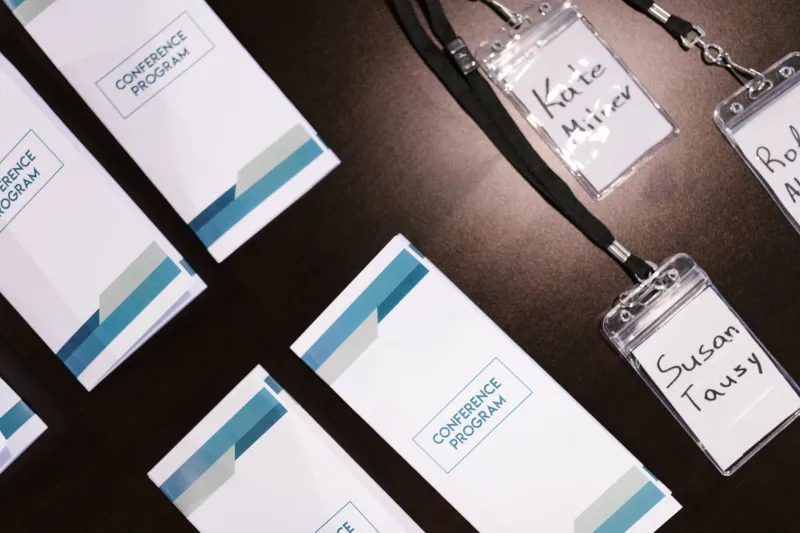
A festival booth is not a yard sale with a poster taped to it. It is a six-foot screening room, a title sequence, and a handoff all at once. Here is how to build one that earns a glance from across the aisle before anyone asks what your film is about.

The Second Script: Recording an Audio Description Track With a Borrowed Mic and a Neighbor Who Does Voice Work
Community Screenings

The Second Script: Recording an Audio Description Track With a Borrowed Mic and a Neighbor Who Does Voice Work

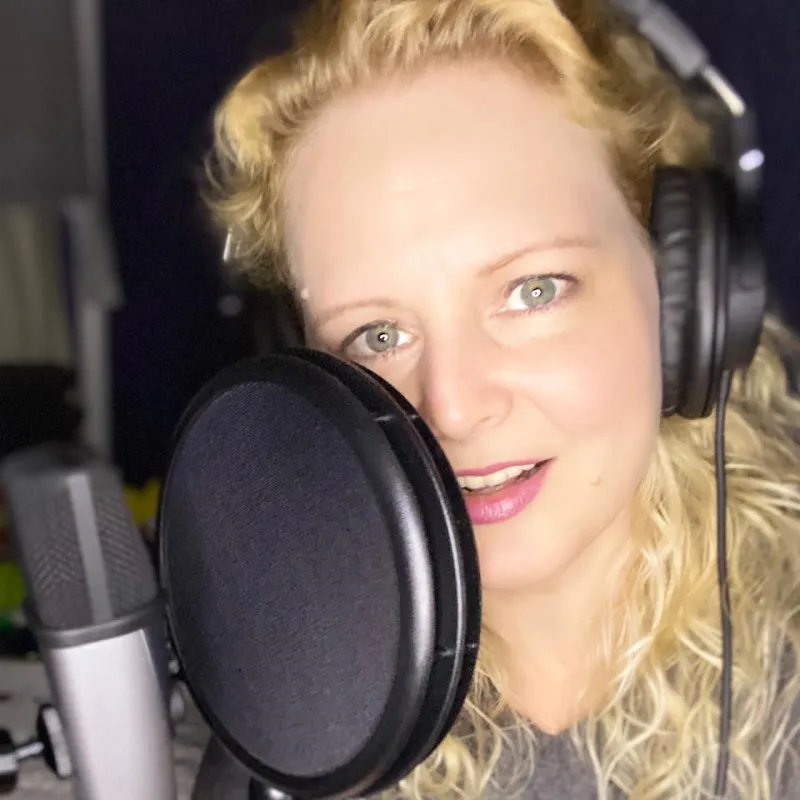
Captions get you halfway to an accessible screening; the other half is a voice describing what the frame is doing. Here's the practical route we took on a fourteen-minute short — a borrowed condenser mic, a community-theater actor, free editing software, and one library test screening that told us more than any compliance checklist could.

Burned In, Not Bolted On: A Caption Pass That Survives the Projector and the Phone
Trailer Craft

Burned In, Not Bolted On: A Caption Pass That Survives the Projector and the Phone

Open captions are usually the last thing an indie team touches and the first thing a venue notices. Here's a practical burn-in workflow — timing, type, and a three-screen test — that makes the captioned cut the version you actually want to screen.

The Drive Is Part of the Film: A First-Timer’s Festival Screener Shipping Kit
Festival Circuit

The Drive Is Part of the Film: A First-Timer’s Festival Screener Shipping Kit

Your short is locked, your acceptance email is real, and now a small rectangle of hardware has to survive a trip to a projection booth you have never seen. This is the first-timer’s guide to building a festival shipping kit that treats delivery as part of the presentation.

The Handoff After the Applause: Designing an Exit Card That Earns a Scan
Trailer Craft

The Handoff After the Applause: Designing an Exit Card That Earns a Scan

The five seconds after your last frame are not cleanup time. They are a handoff. Here is how to design an exit card with three clear jobs — trailer, review prompt, and newsletter — without turning your credits into a cluttered flyer.

The Trailer Deserves a Room: A One-Night Premiere That Recruits Your First Thirty Sharers
Trailer Craft

The Trailer Deserves a Room: A One-Night Premiere That Recruits Your First Thirty Sharers

A trailer launch does not have to be a link dropped into a group chat and forgotten by dinner. Here is a practical plan for a 30-person trailer premiere at a local bar, record store, or bookstore—complete with a venue pitch, a $200 budget, and a tight 15-minute run of show that turns the room into your first street team.

Don't Send a PDF to a Film Festival: The EPK Cut That Gets Watched
Festival Circuit

Don't Send a PDF to a Film Festival: The EPK Cut That Gets Watched

Most electronic press kits are archives, not arguments. Here’s how to cut yours like a micro-short — a 90-second sizzle, three deliberate stills, a director statement with a pulse, and a fact sheet that ends the email thread before it starts.

Twenty Minutes of Warm-Up: Turning Your Screening Lobby Into Act One
Community Screenings

Twenty Minutes of Warm-Up: Turning Your Screening Lobby Into Act One

Most micro-budget screenings sprint from unlocked door to dimmed lights. Here is a minute-by-minute plan for the twenty minutes before showtime — signage, a soft playlist, a sign-in table that earns its keep, and one small object that gives strangers something to do with their hands.

The Room Comes First: Sequencing a Shorts Block That Keeps Butts in Seats
Community Screenings

The Room Comes First: Sequencing a Shorts Block That Keeps Butts in Seats

A shorts program is not a playlist; it is a room-management plan. Here is how to build a 75-minute block with runtime math, tonal pacing, a smart anchor slot, and a Q&A handoff that does not deflate the night.

One Sheet, Three Screens: The Poster Workflow That Holds Up From Thumbnail to Tote Bag
Trailer Craft

One Sheet, Three Screens: The Poster Workflow That Holds Up From Thumbnail to Tote Bag

Your poster is going to be judged at two inches wide before anyone sees it at two feet. Here is a practical test-and-revise workflow for building a micro-budget one-sheet that survives festival grids, lobby boards, phone screens, and the tote bag somebody actually keeps.

Borrowed Time: Pitching Your Short Into an Indie Theater's Pre-Roll Slot
Community Screenings

Borrowed Time: Pitching Your Short Into an Indie Theater's Pre-Roll Slot

A festival badge isn't the only route onto a big screen. Independent theaters across the US run pre-roll before features, and a well-timed pitch plus a clean DCP can put your short in front of a paying audience. Here's how to ask, deliver, and make those 90 seconds work beyond the night.

No Plus-Ones: Staging a Rough-Cut Screening for People Who Don't Know You
Community Screenings

No Plus-Ones: Staging a Rough-Cut Screening for People Who Don't Know You

A rough cut doesn’t need applause. It needs a room of people who can walk out without hurting your feelings. Here’s how to book strangers, hand them a one-page card, and turn a messy feedback night into a cleaner cut before 2026 festival deadlines.

Library Cues, One Local Band, and a Single Needle Drop: Building a Score That Sounds Bigger Than Your Budget
Trailer Craft

Library Cues, One Local Band, and a Single Needle Drop: Building a Score That Sounds Bigger Than Your Budget

A $200 music budget doesn't buy you a soundtrack — it buys you a handful of decisions. Here's how micro-budget filmmakers stretch library cues, a local band commission, and one carefully placed needle drop into a score that reads as expensive on a festival screen.

Your Own Zip Code Is a Better Launchpad Than a Distant Festival Badge
Community Screenings

Your Own Zip Code Is a Better Launchpad Than a Distant Festival Badge

The hometown screening gets treated like a consolation prize for films that didn't land a big festival slot. It shouldn't be. Here's the case for premiering where you actually live — and why a full room two miles from your apartment can outperform a thin crowd twelve hundred miles away.

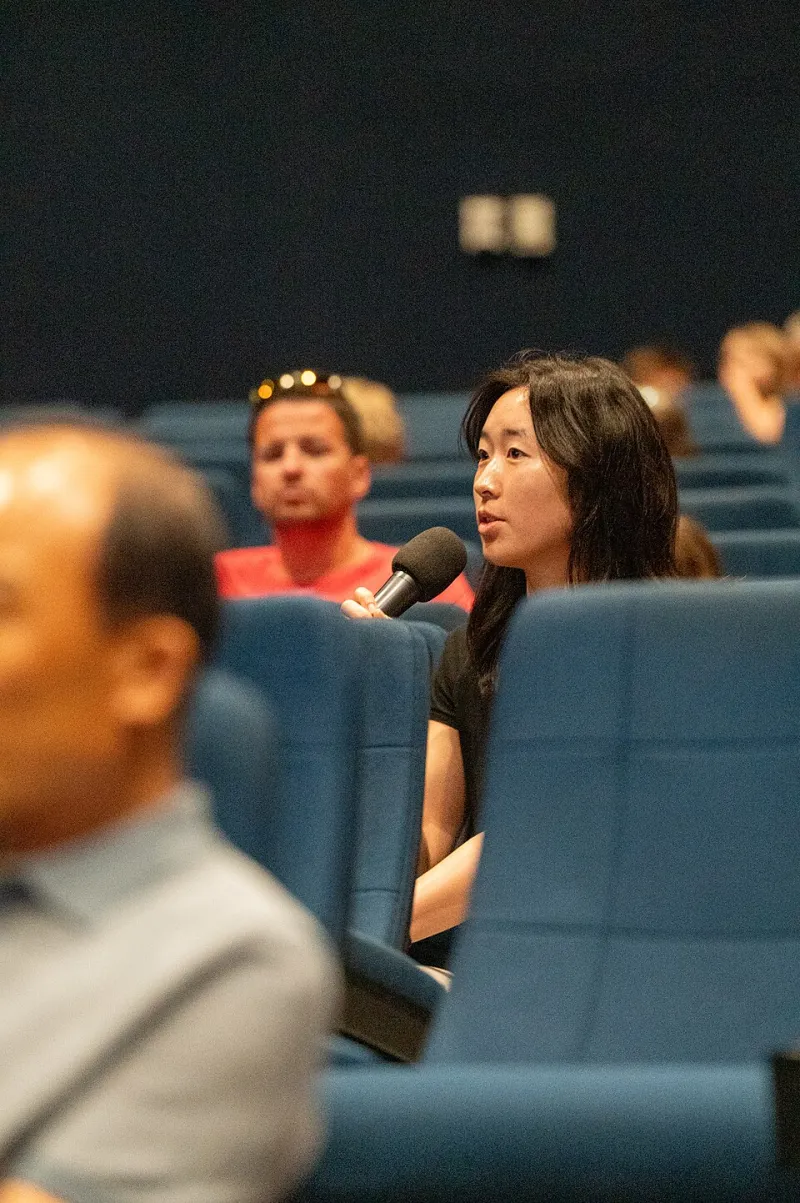
Five Questions, One Object, One Rule: Building a Post-Screening Q&A That Outlives the Night
Community Screenings

Five Questions, One Object, One Rule: Building a Post-Screening Q&A That Outlives the Night

A Q&A isn't the epilogue to a screening — it's a second release of the film into the room, and the raw material for months of press and programming. An argument for preparing five questions, bringing one physical object, and recording the whole thing like it matters.

Shoot It Honest: A Four-Beat Template for Festival Video Dispatches That Keep Working
Festival Circuit

Shoot It Honest: A Four-Beat Template for Festival Video Dispatches That Keep Working

Most festival footage dies in a camera roll. A short, repeatable dispatch — arrival, screening, one Q&A exchange, one real problem — can keep earning attention long after the badge lanyard goes in a drawer. Here's the template, plus the phone-audio and captioning fixes that make it usable.

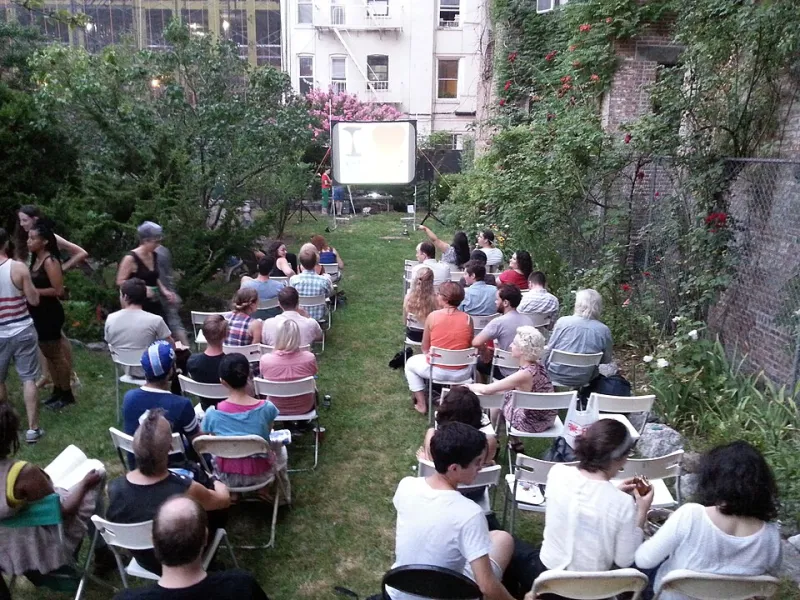
Taproom, Bookshop, Garden Plot: Booking Nontraditional Venues for Your 2026 Indie Screening
Community Screenings

Taproom, Bookshop, Garden Plot: Booking Nontraditional Venues for Your 2026 Indie Screening

A four-wall theater wants a print, a deposit, and a date six months out. A brewery wants to know if you can wrap by 9:30. Here's how to pitch taprooms, indie bookstores, and community gardens as real screening partners in 2026 — including projection specs, sound fixes, revenue splits, and an email template that frames the night as their event, not your rental.

Read the No's Out Loud: Turning Festival Rejections Into a City-by-City Screening Tour
Festival Circuit

Read the No's Out Loud: Turning Festival Rejections Into a City-by-City Screening Tour

Every rejection email is a date you haven't booked yet. This is the argument for publishing your festival 'no's as a running series — redacted, honest, and paired with a venue ballot in every city — so that by the time your self-produced premiere arrives, you've already built an audience that feels invested in getting there.