Count the Room, Not the Guest List: A No-Show Playbook for Free Indie Screenings

Photo: Eva Rinaldi, CC BY-SA 2.0, via Wikimedia Commons
The night the headcount lied
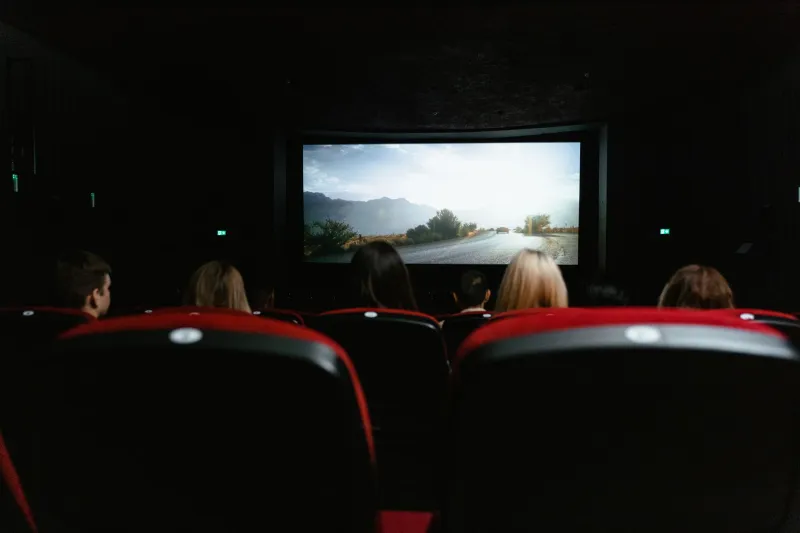
You know the screening. Ninety-four RSVPs, a rented room with a hundred chairs, and a folding table stacked with programs. Then the doors open, the trailer reel starts, and you count forty-six people in the dark. The room feels half-full, the Q&A feels thin, and someone on your team says the thing everyone says: “Nobody showed.”
But people did show. The problem is that the RSVP was never a ticket. It was a maybe with a timestamp. For free and low-cost indie screenings, the guest list is a forecast, not a contract. Once you treat it that way, the empty chair stops being an insult and becomes a data point you can actually use.
At Ziggy Films, we’ve watched enough community screenings turn from “we hope people come” to “we know roughly how many will” to learn that the fix isn’t more promotion. It’s a tighter funnel: honest capacity, overbooking math, a waitlist that works, reminders that do a job, and a check-in table that doesn’t create a second line out the door.
Start with the venue’s real number
Not the room’s legal capacity. Not the number of chairs in the storage closet. The number of seats you can actually put a human in while keeping sightlines, aisles, and the projector beam clear.
Call it the sellable seat count. Subtract the seats blocked by the sound table, the reserved row for the filmmaker’s family, the aisle space the venue insists on, and the two chairs that always end up holding coats. If the fire code says 120 and your usable count is 96, plan for 96. The venue will thank you, and your check-in volunteers will stop doing math with a clipboard at 6:55 p.m.
Write that number on the top of your planning sheet. Every decision below hangs off it.
RSVPs are weather, not climate
A free RSVP is a weather report: useful, local, and prone to changing. The climate is your actual show rate—the percentage of RSVPs who tend to walk through the door for your events.
If you’re new, guess low. Free screenings in a new venue often land in the 50 to 65 percent range. A familiar series with a loyal email list can push 75 or 80. A rainy Tuesday in February is not a Saturday night in June. Track it. After three or four screenings, you’ll have a local baseline that beats any national rule of thumb.
The overbooking math that doesn’t spiral
The basic formula is simple: expected turnout equals RSVPs multiplied by your show rate. If you have 96 seats and a 65 percent show rate, you need roughly 148 RSVPs to fill the room. That sounds like a lot—and it is why overbooking without a waitlist is how you end up turning people away at the door.
A calmer approach: set a confirmed cap above your seat count, but not wildly above it. For a free community screening, confirming up to 115 to 130 percent of usable seats is usually enough breathing room. Anything beyond that goes to a waitlist. If your show rate is high, overbook less. If your show rate is low, overbook more, but keep the waitlist moving from the first confirmation email.
The goal is not to trick the room into being full. It’s to give the room enough chances to be full without making a promise you can’t keep.
Waitlist design: make “maybe” useful
Most waitlists fail because they’re vague. Someone signs up, gets an email that says “you’re on the list,” and has no idea whether that means a seat or a queue.
Be blunt in the confirmation. One status line: “You have a seat.” Another: “You’re on the waitlist—we’ll email you if a seat opens.” Then automate the promotion. When someone cancels, the next person gets a claim window—two hours is plenty for an evening event, one hour on the day of. If they don’t claim, the seat moves on. No phone calls, no guilt, no “we noticed you didn’t respond” follow-up.
Keep the waitlist fair and simple. First come, first served is easy to explain. If you want to prioritize local zip codes or students, say so on the form. Don’t quietly reorder people and then act surprised when they notice.
Reminder cadence: three touches, one job each
The inbox is not a megaphone. A reminder should earn its place by giving someone a reason to act or a detail they need.
Touch one, immediately after RSVP: date, time, venue, accessibility notes, and a one-click cancel link. This is the receipt. It should be boring and complete.
Touch two, about 48 hours out: the practical stuff. Parking, transit, runtime, content notes, whether the filmmaker will stay for questions. Add a single “still coming?” button. That button is the most valuable line in the email, because it turns a silent no-show into a released seat while there’s still time to fill it.
Touch three, the morning of: doors time, check-in instructions, and a gentle line about releasing the seat if plans changed. No countdown GIFs. No three-email pileup. If you have a weather alert or a venue change, that’s a fourth touch, and it’s allowed.
Check-in that respects the room
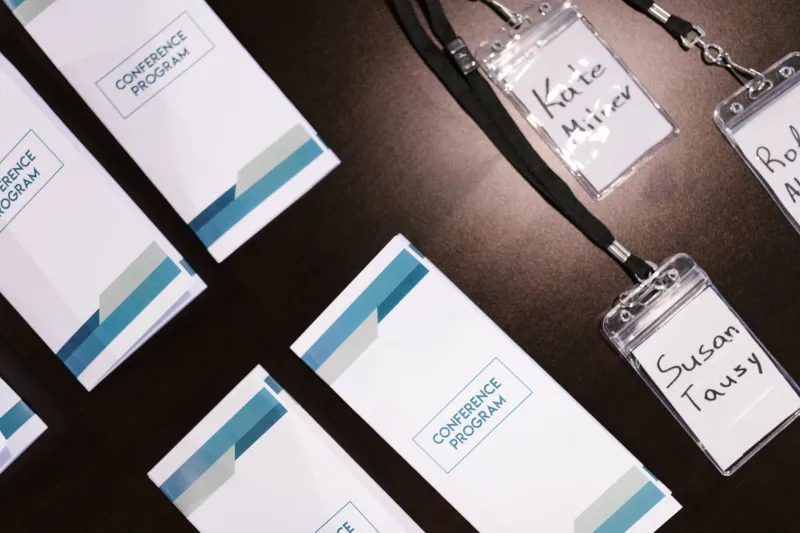
A check-in table is a small piece of theater. If it looks chaotic, people assume the screening will be chaotic too. Set up two lanes: confirmed guests and waitlist or walk-ins. Use a tablet or a phone with a searchable list, not a printout you have to squint at. Mark arrivals as they happen. Keep a runner who can walk the line and answer questions.
Set a clear cutoff. Ten minutes before start time, release any confirmed seats that haven’t checked in to the waitlist or standby line. Say it in the reminder email so nobody is ambushed. Keep the aisle clear, keep the standby line out of the sightline, and keep one volunteer free to handle the “I’m sure I RSVP’d under a different email” conversation.
And don’t shame the no-shows. They’re not villains. They’re your data.
The empty chair as a data point
After each screening, log four numbers: RSVPs, actual attendance, cancellations in the final 48 hours, and waitlist conversions. Add a note about the day, the weather, and anything else that might have pulled people away. After a few events, you’ll see patterns—the Sunday matinee that overperforms, the Friday night that looks great on paper but loses to high school football, the reminder send time that actually moves cancellations.
That’s your 2026 season plan. Not a bigger email blast. A better forecast, a waitlist that breathes, and a door that moves people into seats instead of holding them in a line.
The empty chair isn’t a verdict on your film or your audience. It’s a number. Count it, learn from it, and fill the next one.