Book the Interview, Not the Calendar Listing: Pitching Your Screening to the People Who Still Answer the Phone
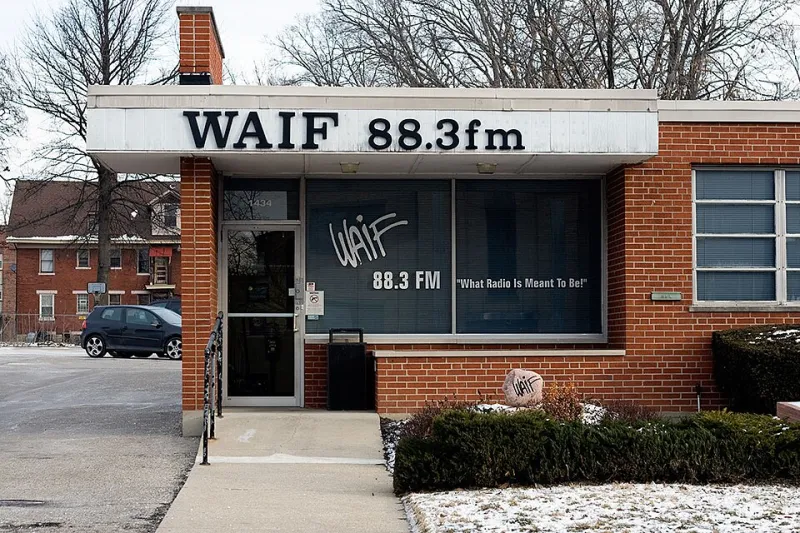
Photo: Room237, CC0, via Wikimedia Commons
The generic press release is a solved problem in the worst way. Everybody knows how to write one, everybody sends the same one, and every local editor in America has a folder labeled something unkind where they all go to die.
But here's the thing about the outlets that actually cover indie film in a mid-size city: there aren't many of them, and they're not drowning in pitches the way the internet would have you believe. They're drowning in bad pitches. A community radio host with a half-hour public affairs slot needs eleven minutes of conversation twice a week, every week, forever. That's a hungry machine. Feed it properly and it will remember you.
Start With the Story, Not the Announcement
An announcement is: a film is screening, here's the date, here's the venue, here's the ticket link. It is useful. It is also the thing that goes in the free calendar listing, which you can submit yourself in about four minutes.
A pitch is a reason a human being should spend time thinking about your night. And you have one, almost certainly, even if it feels small to you.
The formula that works is three questions stacked:
- Why this film? Something specific — the director's connection to the town, a subject that's live in local conversation, a production story with a real obstacle in it.
- Why this room? A screening in a restored vaudeville house or a brewery back room or a church basement with famously terrible acoustics is a scene, not a venue. Say what the room is.
- Why now? The film's subject has a local hook this month, or the tour is passing through, or it's the only US stop between now and spring.
If you can answer all three in two sentences each, you have a pitch. If you can only answer the first, you have an announcement, and you should send it to the calendar, not the editor.
Community Radio: Pitch the Segue
Public and community radio runs on conversation that sounds like it's happening in a room, because it is. The hosts are usually volunteers or lightly paid staff who book their own guests, and they answer email more reliably than any institution you'll deal with this year.
Pitch them the way a host thinks: what's the segment?
- “Your Wednesday arts slot — a 12-minute interview with the director about shooting a feature in a county with one traffic light.”
- “A 6-minute phone-in with the programmer who built a screening series out of rejected festival submissions.”
Then do their job for them. Offer a ten-second read and a thirty-second read of your event copy, written out, ready to be read cold. Offer to send a clean audio clip from the film — thirty seconds, broadcast quality, no music under it, named clearly. Offer to come to the studio instead of phoning in, because in-studio sounds better and hosts know it.
Do not send a 30-megabyte attachment. Do not say “let me know if you'd like more info.” Say: “I can be in the studio Tuesday or Thursday after 4. Happy to talk to whoever books the slot.”
Alt-Weeklies: Pitch the Tension
Weekly papers run on a shrinking page count and a stubborn commitment to local voice. Their film writing, when it exists, tends to come from one person who also covers city council. That person does not have time to discover your angle.
So hand it over, sharpened. Alt-weeklies like the argument inside the thing. Not “local filmmaker screens debut” but “local filmmaker spent two years shooting a documentary the county would rather not talk about.” Not “festival returns for fourth year” but “the festival moved into a former department store because the theater closed.”
The structure that gets read:
Subject line: the hook, in six words, with the town named in it. First graph: the story, not the logistics. Second graph: the specifics — date, venue, one line about the film. Third graph: what you can offer — an interview with the director, stills at 300 dpi, a screener link with a password, a press seat.
Two to four weeks out is the window. Weeklies plan their arts pages a week to ten days ahead, but features get assigned earlier. Send it once. If you haven't heard in a week, one follow-up email, three sentences, no guilt.
Campus Stations: Pitch the Access
Student-run stations at universities and community colleges are the most under-pitched outlets in any town, and the ones with any budget are desperate for content that isn't a playlist. They also have a built-in audience of people who go to things.
What they want is access, not prestige. Offer a student rate or free press seats. Offer a pre-screening interview slot with the director for their film show. Offer to let a student host record a short intro before the feature that they can put on air — that's a real credit for them and a warm room for you.
Email the station's programming director, not the general info address. If you can't find a name, call during office hours and ask who books guests. Someone will tell you.
The Follow-Through Nobody Does
If they cover you, thank them like a person, not a pipeline. Send a photo from the night with the host's name in the caption. Send the attendance number if it's good — programmers love knowing their segment moved somebody. Then, three months later, pitch them something else. Even if it's not yours: a filmmaker you know, a series you admire.
That last move is the whole game. Local press isn't a megaphone you shout into once per project. It's a door, and doors are easiest to walk through the second time.
What to Leave Out
- The phrase “as you may know.”
- A synopsis longer than the film's own logline.
- Attachments over 5 MB, ever.
- Exclamation points in a subject line.
- Any sentence that begins “I just wanted to reach out.”
- The word “exciting.”
Write like someone who has been to the venue and knows the neighborhood. That's the entire difference between the pitch that gets a reply and the one that gets filed.