Shoot It Honest: A Four-Beat Template for Festival Video Dispatches That Keep Working
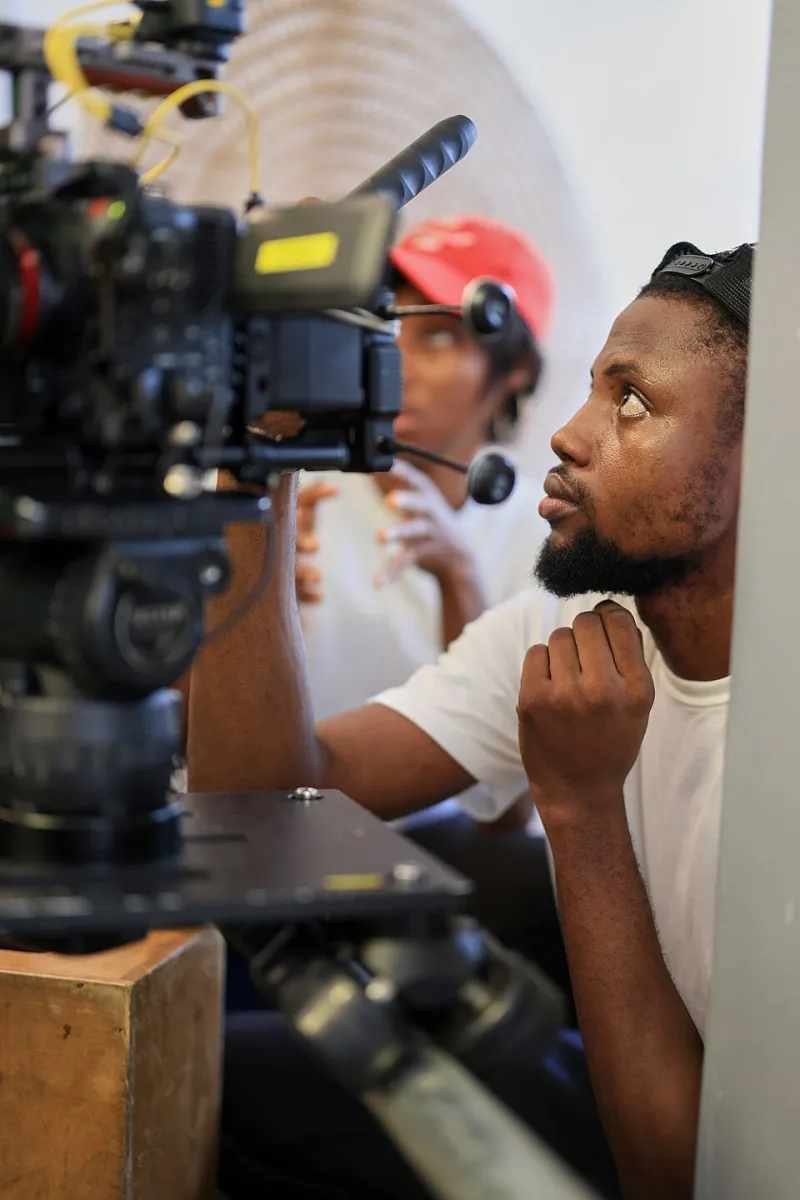
Photo: Isaacayodele32, CC BY-SA 4.0, via Wikimedia Commons
Every filmmaker comes home from a festival with the same artifact: a camera roll full of vertical clips nobody will ever watch. The lobby, the marquee, a plate of tacos, a friend waving. It felt like documentation in the moment. Six weeks later it's a storage problem.
The fix isn't more footage. It's a smaller, more disciplined thing: a 90-second dispatch, cut to a template you can repeat at every festival you attend — this year, next year, whenever the acceptance email finally lands.
Why the mini-trailer impulse backfires
The instinct is to make the dispatch look like a trailer. Big music, whip pans, a title card with the film's name in a condensed sans. The problem is that audiences can smell the ad. They scroll.
A dispatch isn't marketing with a documentary veneer. It's a postcard from a specific place on a specific weekend, sent to people who couldn't be in the room. The moment you start selling, the honesty drains out and the clip becomes skippable.
The other failure mode is the travelogue: three minutes of coffee shops and sunset walks with the festival name in the corner. Pretty, weightless, and useless as a reason to watch your film.
Four beats. That's the whole structure. Ninety seconds, give or take fifteen.
Beat one: arrival (15–20 seconds)
Get the physical fact of showing up. The walk from the parking garage, the badge pickup line, the volunteer who can't find your name on the list, the theater marquee with your title spelled wrong (or miraculously right).
Shoot it while it's happening, not after you've settled in. Hands, feet, doors, signage. One line of voiceover recorded later in a quiet room beats a shouted explanation into wind.
Beat two: the screening (20–25 seconds)
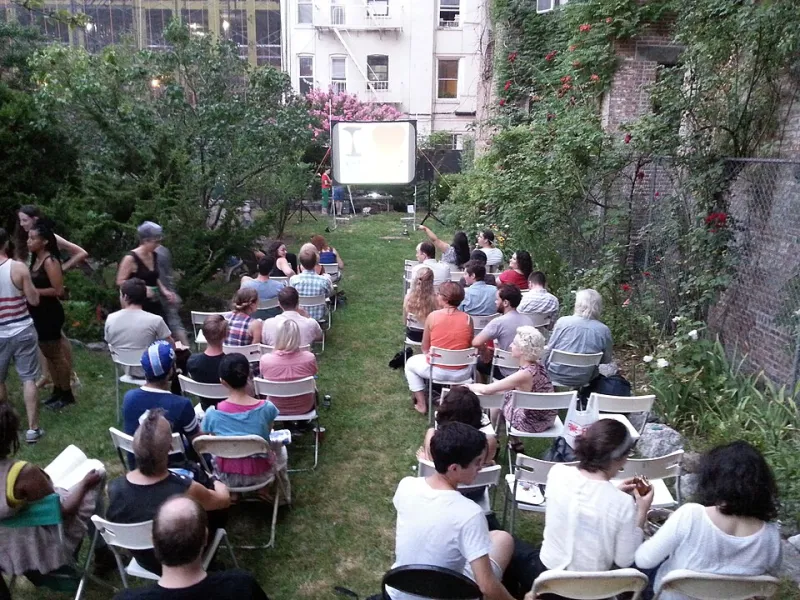
Not the red carpet — the room. Empty seats before doors. The projector's hum. A stranger reading your program note. Then, if you can get it, one face coming out afterward. Ten seconds of a real reaction is worth more than a minute of applause.
Ask permission before you point a lens at anyone. Most people say yes. The ones who say no are doing you a favor by being clear about it.
Beat three: one Q&A exchange (20–25 seconds)
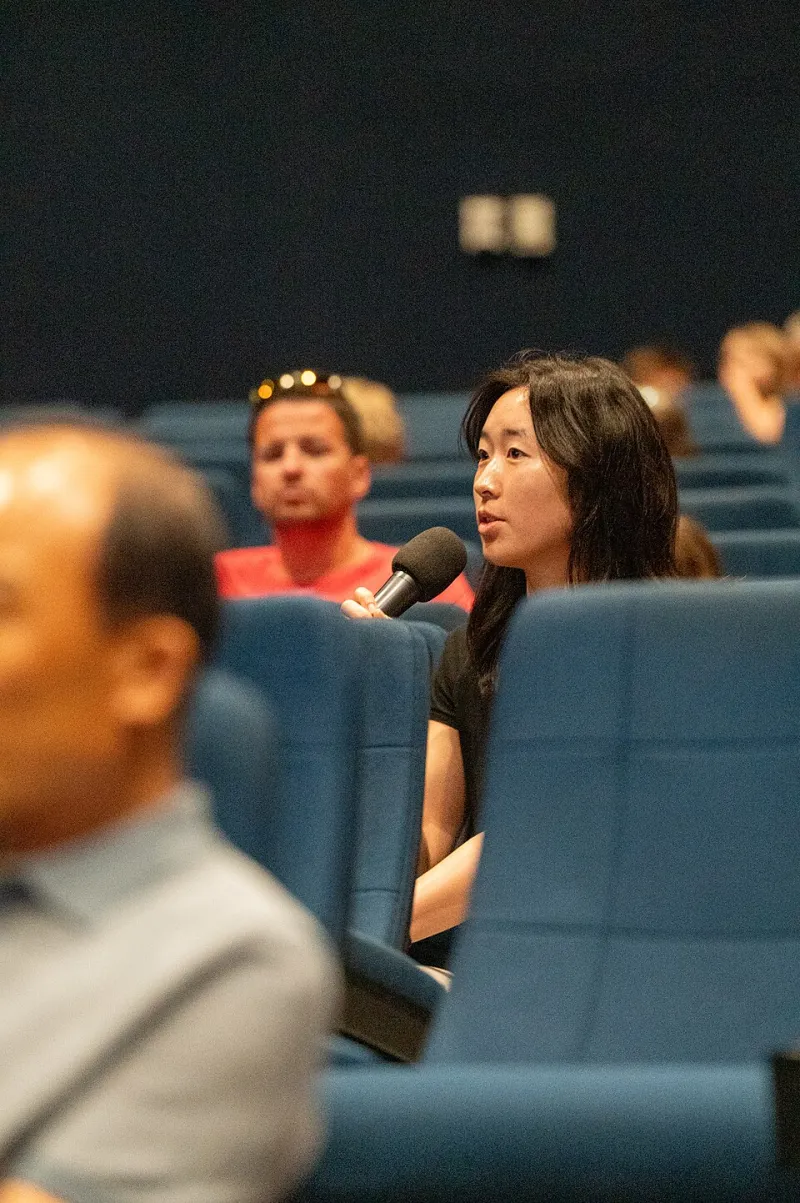
Not a highlight reel of the whole conversation. One question, one answer, cut at the moment the room leans in. Ideally the question is a little odd — the one about the sound design choice nobody expected anyone to notice.
This beat is also your best future-screening asset. A room visibly engaged is a stronger invitation than any poster.
Beat four: one real setback (15–20 seconds)
This is the beat most people cut, and it's the one that makes the other three believable. The DCP that wouldn't load. The flight that ate your arrival day. The moderator who pronounced your name three different ways. The venue that had the air conditioning off in a heat wave.
Say it plainly, without a joke bolted on top. Setbacks read as honesty, and honesty is the only reason a stranger watches a second dispatch from you.
Making a phone sound like a microphone
Audio is where these pieces live or die, and it's fixable for under fifty dollars.
- Get the mic close. A $25 wired lav clipped to a collar beats the phone's built-in mic from three feet away every time. For a two-person Q&A moment, a cheap splitter into one phone is fine.
- Block the wind. A foam windscreen is not enough outdoors; a furry slip-on cover is. Festival sidewalks are wind tunnels.
- Record room tone. Thirty seconds of the empty theater before doors. You will need it to patch cuts, and you will be glad you have it.
- Sync the old way. Clap once, on camera, before each take. It takes a second and saves an hour in the edit.
- Lock exposure and focus before you record, and turn on airplane mode so a call doesn't nuke the take.
Captions are part of the build, not a favor
Most people watch social video with the sound off, and accessibility is not optional. Bake captions into the vertical cut you post, and keep a separate .srt file for the full-length version on your site. Check that names, festival titles, and jargon are spelled correctly — auto-captions will mangle "cinematographer" and every proper noun you care about.
Also caption the quiet parts. A line like "[projector hum]" gives a hearing-impaired viewer the same room you're standing in.
One dispatch, six places it can go
Cut the 90-second version once, then treat it as raw material:
- Newsletter embed. Two sentences of context and the video. Highest completion rate you'll get anywhere.
- A 20-second vertical cut built around the setback or the Q&A exchange, captioned for autoplay.
- A quote card pulled from the transcript, for the week the festival has moved on and you still want a post.
- A screening invitation six months out, sent to a venue with the Q&A beat timecoded and linked.
- Program notes for the next stop on the tour, where a line about the room does more than a bio paragraph.
- An archive page on your own site — the running record that you've been out there working.
The card to tape inside your kit bag
Arrival. Room. One exchange. One thing that went wrong. Ninety seconds. Captions on. Room tone recorded. That's it. Shoot it Friday, cut it Monday, and by the time the next acceptance email shows up you'll have a habit instead of a hard drive full of regret.