Read the No's Out Loud: Turning Festival Rejections Into a City-by-City Screening Tour

Photo: filmmaker reviewing rejection emails on laptop with screening poster mockups on wall, via i.etsystatic.com
There is a particular kind of silence that follows a festival rejection. You refresh the portal, the status flips from "in consideration" to "not selected," and then you sit there with a finished film and nowhere to put it.
Here's the argument: that silence is a marketing problem you created. And the fix is embarrassingly simple — say the no out loud, in public, on a schedule.
Rejection is the only part of the festival cycle nobody performs
Filmmakers post the laurel the second it lands. Nobody posts the sixteenth rejection that came in the same week. Which means every audience out there — and every local cinephile who might come to a screening in their city — has been trained to believe that films either get into festivals or quietly disappear.
That's not true, and the gap between that perception and reality is free real estate. If you're going to self-produce a premiere in 2026 anyway, the months of rejection that precede it are content. Use them.
What to share, and what to leave in the drawer
This only works if it's honest and it only stays honest if it's disciplined.
Share: the shape of the feedback, the number of submissions, the length of the wait, the cities you're now considering, and the specific craft note you're actually going to address. A line like "Three programmers told us the first act takes too long to announce its stakes, so we're cutting four minutes before the premiere" is a real story with a real payoff.
Don't share: the name of the festival when the note is unkind, the name of the programmer, screenshots that could identify a reader, or anything that reads as score-settling. Paraphrase. Summarize patterns across festivals rather than singling anyone out. Nobody wants to book a screening from a filmmaker who seems to be keeping a list.
Check first. Some submission agreements restrict how you characterize the selection process; most don't, but read the terms before you publish anything you signed.
Build the series before you have anything to announce
Give it a name and a number. "Road to the Screening, Entry 4" beats a vague post about perseverance, because a numbered series implies a destination — and readers want to know where it ends.
A workable rhythm: one post a week for the length of the festival cycle. Each one is short. Each one contains exactly three things: what happened, what you learned, and where the film might screen next. The third element is the one that turns readers into a mailing list, because it gives them a reason to reply.
Post the same series everywhere — Instagram, a simple email list, your site — and let the tone stay flat. No triumph, no self-pity. The casual register is the point: rejection delivered calmly stops reading as failure and starts reading as logistics.
Turn the map into a ballot
This is where the strategy earns its keep. Once you've been public about not having festival dates, you have permission to ask a question that would otherwise feel presumptuous: where should we screen?
Run a simple venue poll — a form with a city field and a free-text box for a specific room. Then set thresholds out loud. "If forty people in Raleigh put their name down, we book Raleigh in March and we'll announce the venue here first." A published threshold converts passive interest into RSVPs, and it tells you exactly which cities can actually fill a room before you spend money on one.
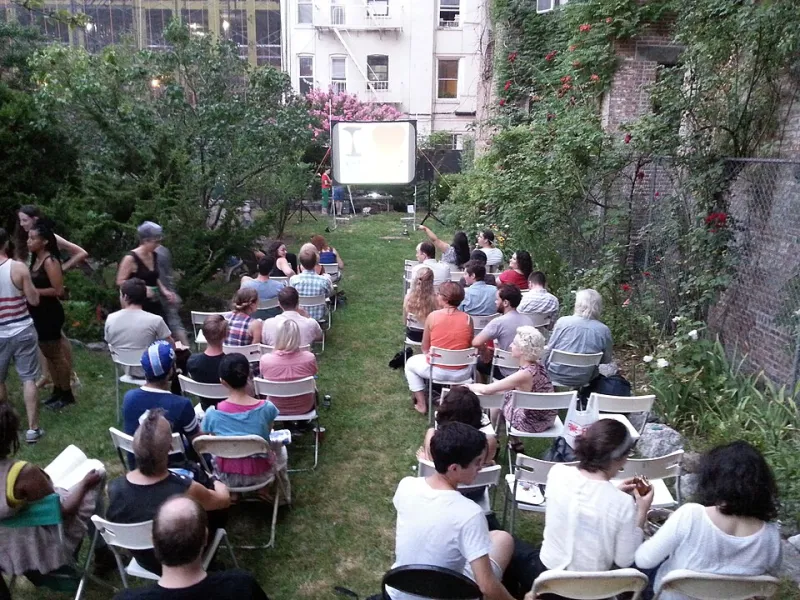
The bonus: the venues people name are almost never theaters. They're breweries, record stores, church halls, bookshops. That's a list of partner leads you'd never have built on your own — and those venues are far more likely to say yes to a filmmaker who arrives with a waitlist.
Announce in waves, not in one drop
A single all-cities announcement in month one burns your news in a day. Instead, roll it out. City one goes up with a venue name and a date; city two goes up two weeks later, ideally because the poll just crossed its threshold and you can say why. Each announcement becomes its own small event, and each one gives local press and local film groups something to share.
Keep a single always-on page — one URL, updated continuously — with the running list of cities, the ballot, and the rejection count at the top. The counter is the hook. Watching it climb while the tour fills in does something a trailer can't: it makes the audience feel like they're watching the film find its way to them.
Protect the film while you do this
Two guardrails. Don't post footage beyond what's already in your trailer — the premiere should still be a premiere. And don't let the series become the film's identity. The story is "we're bringing this to your city," not "eleven festivals said no." The rejections are the setup. The screening is the punchline.
The premiere is the payoff, and now it has an audience
By the time you lock a room for the self-produced debut, you're not cold-emailing a venue and praying. You're walking in with a list of names, a city poll that proved demand, and months of publicly documented momentum. You've also done something rarer than a festival slot: you've made the case, in public, that a film doesn't need a laurel to earn a room full of people on a Tuesday night.
Read the no's out loud. Then book the date.