Borrowed Time: Pitching Your Short Into an Indie Theater's Pre-Roll Slot
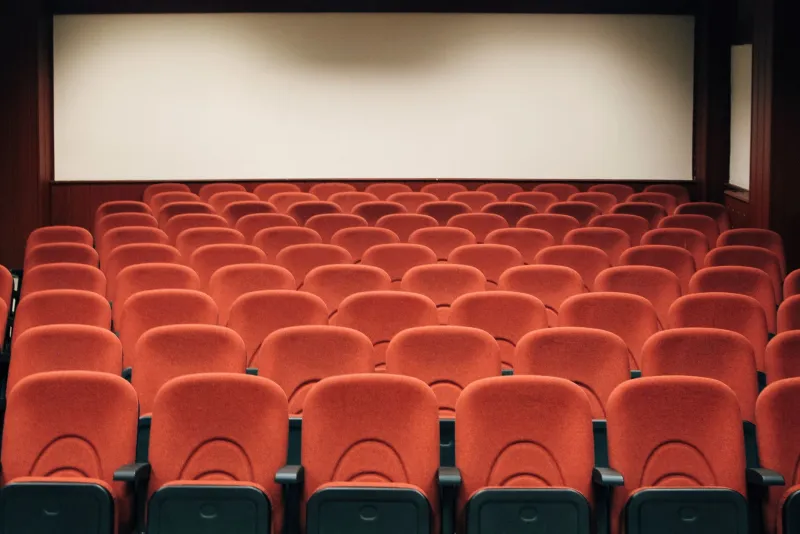
There is a screen two miles from your apartment that you have never once considered a distribution outlet. It seats 120, sells a decent oat milk latte, and runs about eight minutes of pre-roll before every feature. Somewhere in that eight minutes is a slot with your short's name on it, assuming you ask correctly and deliver a file that actually plays.
The slot nobody advertises
Most independent cinemas do not have a formal submissions page for pre-roll. They have a programming calendar, a projectionist who already has too much to do, and a house manager who fields a dozen emails a week from people who want something for free. But they also have a practical problem: pre-roll has to be filled. National trailer reels are fine, but local shorts give a theater texture, a reason for neighborhood press to mention them, and a tiny bit of goodwill that costs almost nothing.
That is the opening. You are not asking for a favor so much as offering a solution to a scheduling gap. Frame it that way and the conversation changes.
Who to email, and when to send it
Skip the general info@ inbox. Look for a programming director, operations manager, or house manager on the theater's site or in a recent local news piece. If you cannot find a name, call during a slow afternoon and ask who books pre-roll. Then send one email, three to six weeks ahead of your target window.
Timing matters more than most filmmakers realize. Tie your ask to a feature that already has local relevance, a regional filmmaker retrospective, a documentary with a state connection, a repertory title that draws a curious crowd. Avoid opening weekends of the theater's biggest bookings. A Tuesday or Wednesday slot in the second or third week of a run is easier to say yes to than a Friday night.
Your subject line should be boring and specific: Local short, 90 seconds, DCP ready, available [date range]. No all-caps, no emoji, no attached video.
The pitch that gets a yes
Keep the body under 150 words. Include the runtime, a one-line logline, a private screener link with a password, and a plain statement that you will deliver a DCP formatted for their projector. Mention content briefly, no nudity, no strobe, no unlicensed music. Offer a specific date range, not a vague sometime this spring.
Do not ask for a Q&A, a poster table, or a social post in the first email. Do not ask for free tickets for your friends. The ask is simple: would you consider running this before one feature during this window. That is it. If they say yes, you can talk about the rest later.
Tech specs or it did not happen
This is where most pre-roll pitches die. A theater can love your short and still pass because the file will not ingest. Deliver a SMPTE DCP, 2K or 4K, 24 frames per second, in either flat or scope. Confirm the aspect ratio with the theater before you master. Audio should be stereo or 5.1 at standard cinema loudness, with no slates, no countdown leaders, and no bars and tone at the head. Name the files clearly and include a short text file with runtime and contact info.
Bring a ProRes backup on a clean drive, but do not lead with it. The DCP is the deliverable. Test the DCP on the theater's projector at least a week before the screening. If they cannot test, ask the projectionist to ingest early and confirm playback. A working file is the entire point. A brilliant short that crashes the server is a story the staff will tell for years, and not the way you want.
Etiquette around someone else's showtime
The feature is the main event. Your short is a guest. Arrive early, introduce yourself to the house manager, and stay out of the booth unless invited. Do not hand out flyers in the lobby during the feature. Do not ask the staff to make an announcement. Do not tape a QR code to the bathroom mirror. If you want to collect emails, ask permission to leave a small stack of postcards near the box office, and accept no as a complete answer.
Ninety seconds is the sweet spot. Two minutes is fine. Three is pushing it. Cut your short to the version that respects the room, not the version that proves how much you shot.
Turning 90 seconds into more
After the screening, send a thank-you note within 24 hours. Ask the programmer for one sentence you can quote on your site. If local press covered the feature, email the writer a short note with the pre-roll detail, not a press release. Document the screening with a photo of the marquee or lobby card if the theater allows it. Add the booking to your trailer page and your one-sheet. Then pitch the next theater in the next town with the line, recently screened before [feature] at [theater].
That is the real payoff. One borrowed slot becomes a credential. A credential becomes an easier yes. Distribution does not always require a festival badge. Sometimes it requires a well-timed email, a clean DCP, and the good sense to keep your short shorter than the walk to the parking lot.