Your Own Zip Code Is a Better Launchpad Than a Distant Festival Badge

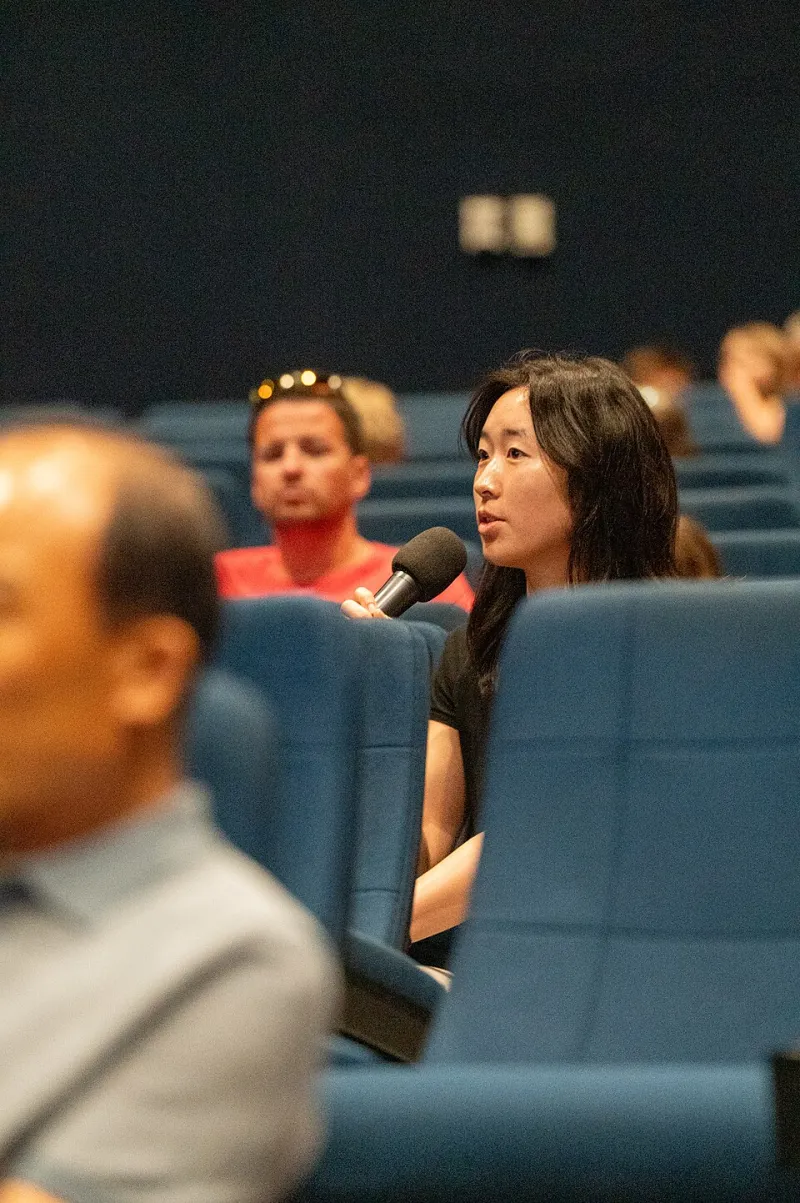
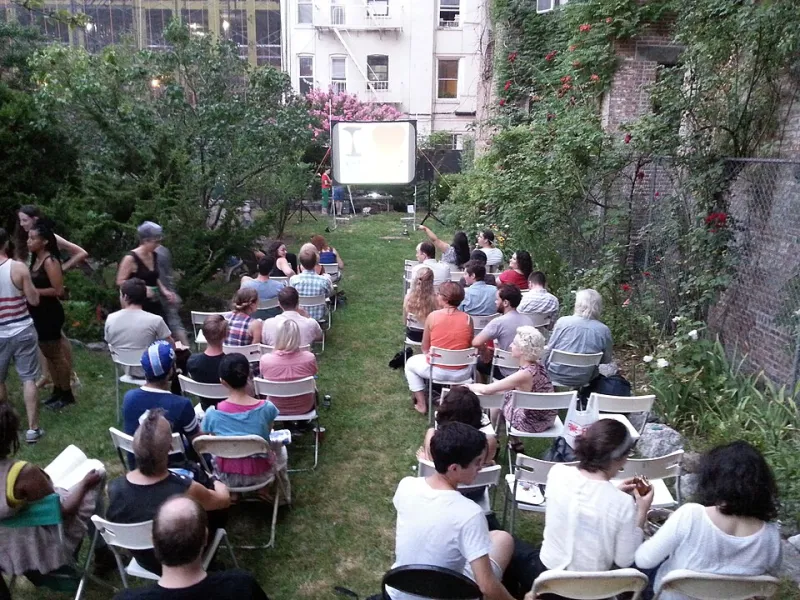
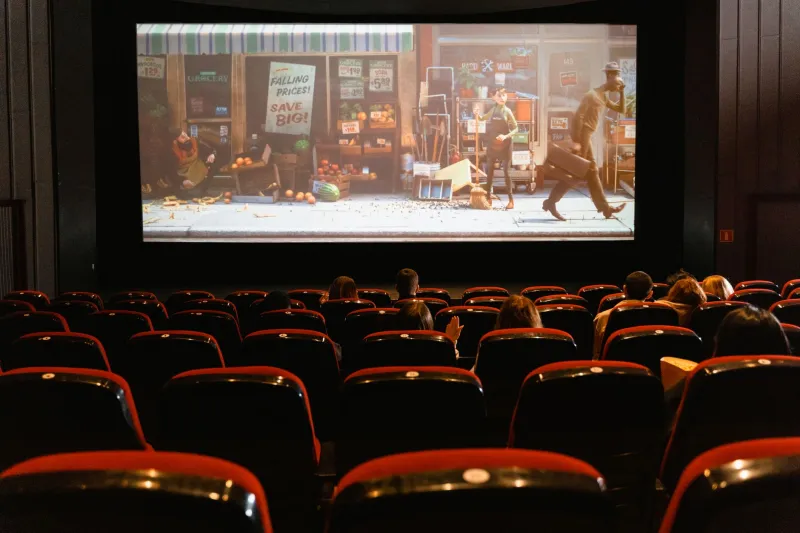
Photo: crowded independent movie screening in small local theater audience, via as2.ftcdn.net
Somewhere along the way, indie filmmakers absorbed a strange idea: that a premiere only counts if you had to get on a plane for it. That a screening in your own city is what you do when the real festivals pass. That the hometown night is the participation trophy.
I think that's backwards, and I think the last couple of years of watching small films find audiences have made the case pretty clearly.
The consolation-prize problem
A festival premiere is a wonderful thing. It's also, for most films, a room full of strangers who paid for a block of shorts, plus three people who came specifically for yours. You get one Q&A, a photo on a step-and-repeat, and a badge you'll keep in a drawer.
What you often don't get is a paper trail. No local press, no partners with a stake in your success, no audience that can tell a friend 'I know the person who made this.' Those things don't come from a festival slot. They come from a room full of people who already have a reason to care.
What a hometown room actually gives you
Run the comparison honestly. A well-built local premiere gives you:
- Press that answers emails. Your alt-weekly, the local NPR affiliate's arts segment, the neighborhood blog, the film school newsletter. These outlets cover local filmmakers as a matter of policy; they don't cover a short playing in a festival four states away.
- Partners with distribution. A brewery, a bookstore, a library, a community radio station, a theater department. They promote to their list because it's their event too.
- A second and third screening. Word of mouth in a city is dense. In a festival town, it dissipates the moment the program ends.
- Press kit material you can actually use. Photos of a packed room, quotes from the Q&A, a quote from a local critic — this is what you send to festivals, not the other way around.
- A reason for your cast and crew to bring everyone they know. That's thirty people before you've posted anything.
The counterintuitive part: do it before the circuit
The standard advice is to premiere at a festival, then bring it home. Try flipping it.
Screen locally first — not as a premiere in the contractual sense, but as a launch. Invite the people who will amplify it. Collect the emails. Shoot the audience reaction. Get one local write-up. Then walk into your festival submissions and your festival correspondence with a film that has already been in front of a paying-or-at-least-committed audience and a folder of proof that it works.
Two things happen. First, programmers can tell the difference between a film that has played and a film that hasn't — the former tends to arrive with materials and momentum. Second, and more importantly, you stop measuring the project's worth by whether a room in Park City liked it. The film already has an audience. That's not a consolation prize. That's leverage.
A workable six-week build
Weeks 1–2: secure the room. Library meeting room, ninety-seat theater, brewery back room, church hall, college lecture auditorium. Confirm capacity, projection, and sound. Sound is where these things die — bring your own speakers if you have to.
Week 3: build partners. Pick two local businesses or orgs with real mailing lists. Offer them a co-presenter credit, a table in the lobby, and a chunk of any ticket revenue. Give them assets two weeks ahead of when they'd ask.
Week 4: press. Short pitch, one still, one line about why this story is local. Offer an interview with you and one crew member. Follow up once, politely, four days later.
Week 5: the operation. Ticketing (sliding scale beats free — free means no-shows), a sign-in sheet that doubles as your mailing list, a volunteer at the door, printed programs with the crew credits, a merch table if you have one.
Week 6: the night, then the harvest. Record the Q&A. Photograph the room. Send a thank-you to every partner within 48 hours, with photos they can post. Then, while the goodwill is warm, send that same package to the next three venues in neighboring towns.
Where this goes wrong
A few failure modes worth flagging. Don't announce a 'world premiere' you can't back up if you're planning festival submissions — check the rules, because some festivals require premiere status and a public local screening can disqualify you. Don't overspend on a venue; a packed ninety-seat room beats a half-full three-hundred-seater. And don't run the whole night yourself — someone else should be at the door so you can be in the room.
The thing you're actually building
The premiere-chase trains you to think of your film as a contest entry waiting for a verdict. A hometown launch trains you to think of it as a thing people watch, talk about, and bring their friends to.
One of those is a strategy. The other is a lottery ticket with a nice photo attached.